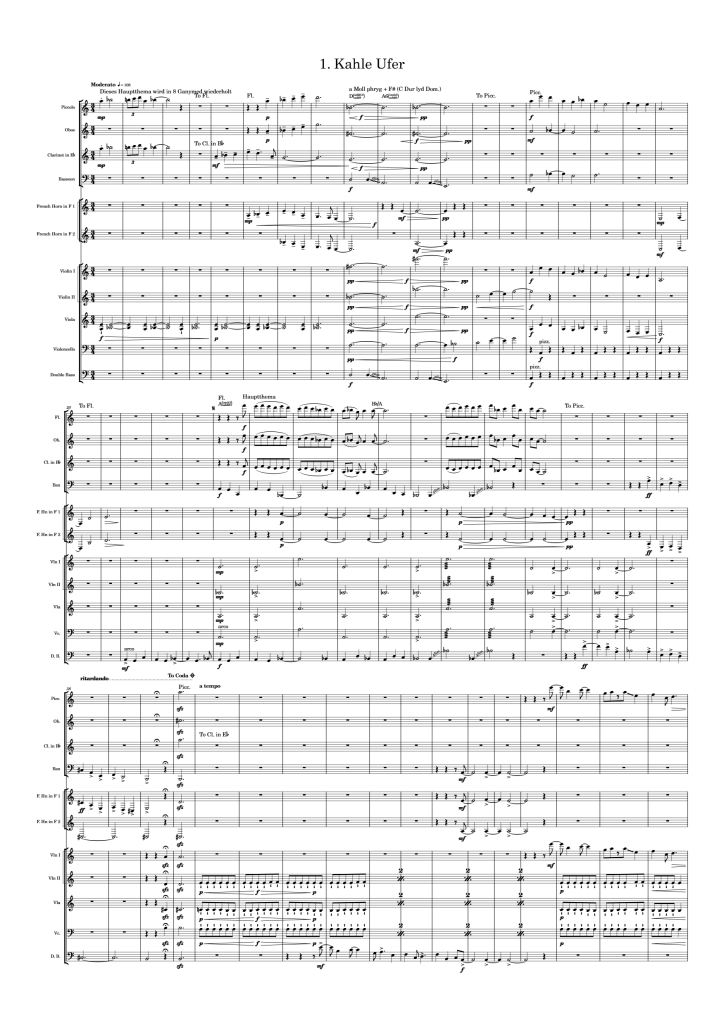
„Ganymed-Recording“

Orchester Suite nach dem Gedicht von Friedrich Hölderlin in 8 Parts

1 Kahle Ufer
2 Alter Geist
3 Der Gefesselte
4 Spielend
5 Nabel der Welt
6 Der Linkische (with Baritone)
7 Himmlisches Gespräch
8 Ganymed

1 Bare shore
2 Old ghost
3 The shackled man
4 Playing
5 Navel of the world
6 The Linkian (with Baritone)
7 Heavenly Conversation
8 Ganymede
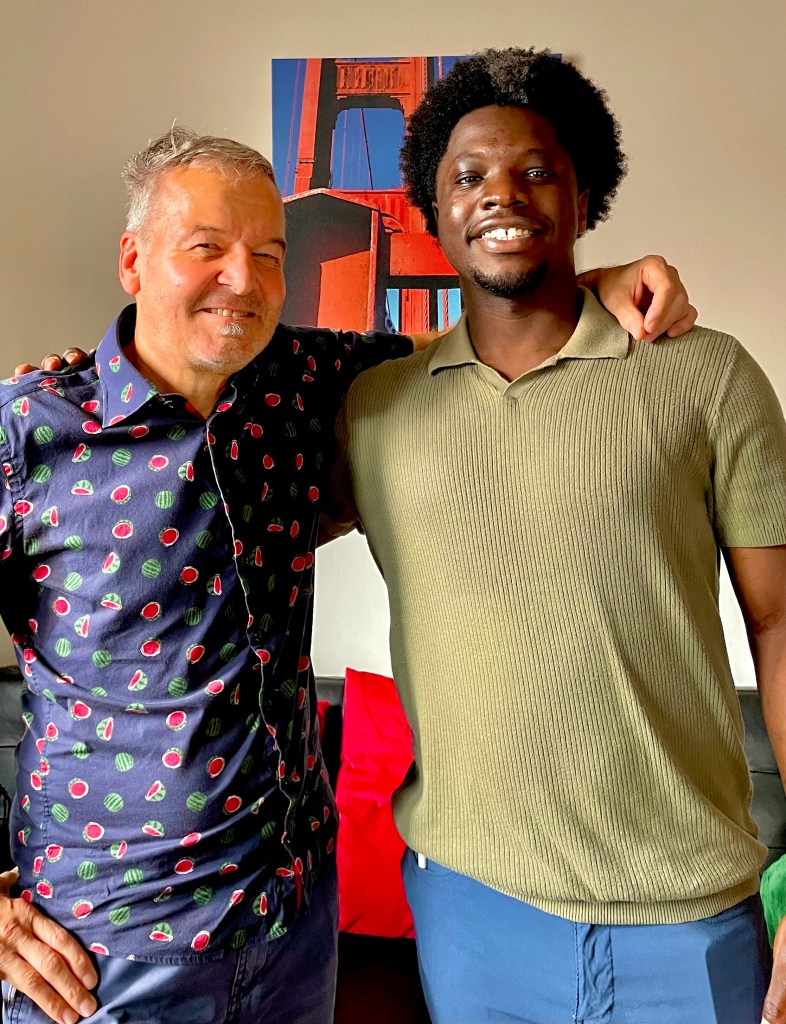
Recording with Anthony Anderson, Washington D.C.
„I love music with my whole heart and have given it my all in each step that I’ve been permitted to take forward in it.“

Kennst drunten du vom Vater nicht die Boten!
Ganymed, Ganymed!
Denkst nicht der Gnade du, wenn´s an den Tischen die Himmlischen dürstet?
Was schläfst du Bergsohn? Liegest in Unmut, schief! Und frierst am kahlen Ufer.
Denkst nicht der Gnade du! Der Linkische schlief!
Im Zorne nun eilt der Linkische.
Bei des Fremdlings besondrer Stimme stehen die Herden auf.
Es regen sich die Wälder, es hört tief Land den Stromgeist fern.
Und schaudernd regt im Nabel der Erde der Geist sich wieder!
Ganymed!
Der Frühling kömmt. Und jedes in seiner Art blüht.
Himmlisch Gespräch ist sein – nun.

Do you not know the messengers from the father below!
Ganymede, Ganymede!
Do you not think of mercy when the heavenly ones thirst at the tables?
Why sleepest thou son of the mountains? Lying in displeasure, crooked! And freeze on the bare shore.
Think not of mercy! The leftist slept!
In anger now the leftist hastens.
At the stranger’s special voice herds rise.
The forests stir, the deep land hears the river spirit far away.
And shuddering in the navel of the earth the spirit stirs again!
Ganymede!
Spring is coming. And each in its own kind blooms.
Heavenly talk is his – now.

Translated with DeepL.com (free version)

String-Quintett „Little Pieces“

10 leichte Stücke für Strings (10 easy pieces for strings):
Violine 1 + 2, Viola, Cello & Kontrabass

1 Sunny
2 Dry
3 Cloudy

4 Foggy
5 Clear

6 Rainbow
7 Windy
8 Thunderstorm
9 Sunset
10 Sunrise

Grade 1, Beginners

KEY D Major, b minor, D & A strings only
METER 4/4
TEMPO Moderate
RHYTHMS Quarter notes, two repeated Eighth notes
BOWINGS Natural bowings, Detache
RANGE First position
DURATION Up to 1:30 minutes
INSTRUMENTATION Violin 2 & Viola double, Cello & Bass double
Piano optional
CONSIDERATIONS Fingerings can be indicated when helpful

Promotion Sheet

„Triptychon“ Klarinetten-Quartett

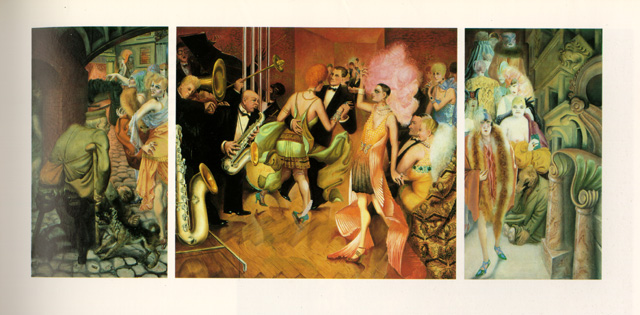
„Triptychon“ ist nach dem Bild „Großstadt“ von Otto Dix verfasst, ein größer angelegtes Werk, gewidmet Wolfgang Kornberger, Bass-Klarinettist der „Vienna Clarinet Connection“
Besetzung: 3 Klarinetten und Baßklarinette

Metropolis (German: Großstadt) is a triptych painting by the German artist Otto Dix, executed between 1927 and 1928. The painting depicts three nighttime city scenes from the Weimar Republic. The painting belongs to the Kunstmuseum Stuttgart since it was bought from the artist’s estate in 1972. The main topic of the triptych is the different aspects of the nightlife in a German big city of the golden twenties. The themes of the painting are femininity, decadence and sexuality in the modern city. The art professor Marsha Meskimmon has written how the war veterans are „shown weakened in every way by the aggressive sexuality of Weimar women. Both the economic and sexual bargaining power rests with the demonized whores of modernity.“

1 Lumpenproletariat
2 Bettelnde Stümpfe mit Hund
3 Huren-Karneval
4 Shimmy mit Saxofon
5 Totentanz
6 Hure Babylon mit Brokat
7 Aufmarsch der Kokotten
8 Gruß des Krüppels
9 Säulen-Groteske

Lumpenproletariat
Bettelnde Stümpfe mit Hund
Huren-Karneval
Shimmy mit Saxofon
Totentanz
Hure Babylon mit Brokat
Aufmarsch der Kokotten
Gruß des Krüppels
Säulen Groteske

„Komm ins Offene“

Die erste komplette Hölderlin-Vertonung!
für Klavier und Baritonstimme
„Komm ins Offene“ oder „Der Gang aufs Land“
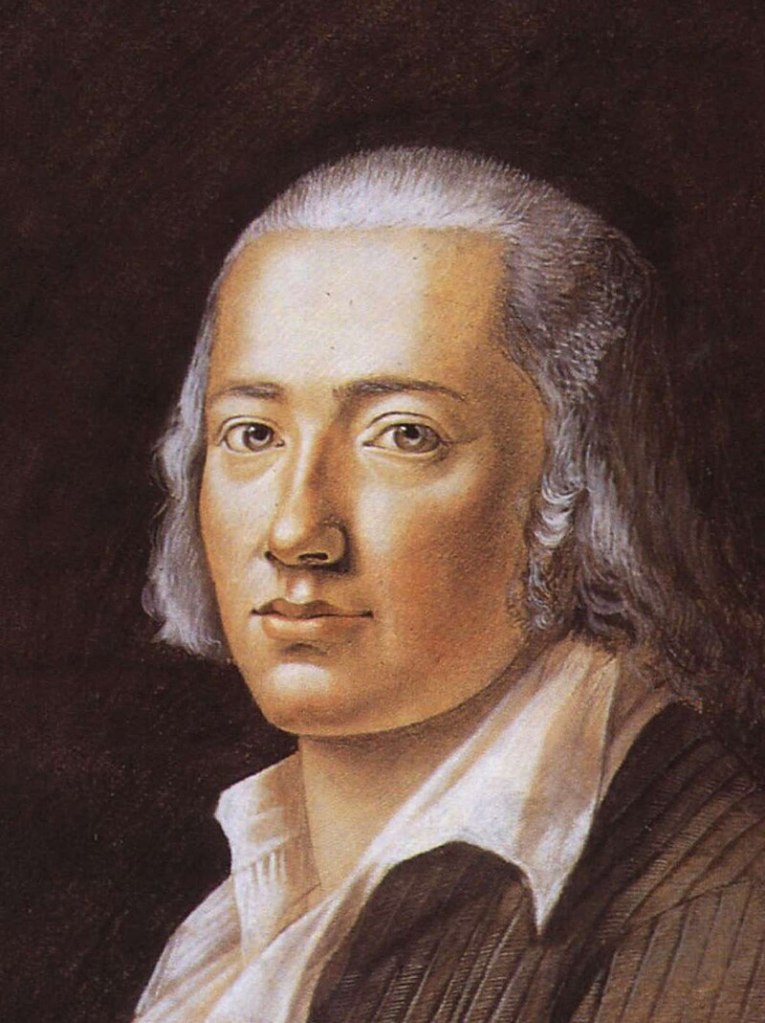
Das berühmte Text-Fragment Friedrich Hölderlins (1801)
Wikipedia

Bild: Der Komoponist in den Appalachian Mountains, West Virginia, USA, 2024

Der Gang aufs Land. An Landauer ist eine Elegie von Friedrich Hölderlin. Obwohl unvollendet, ist sie berühmt geworden, schon wegen ihres die Sehnsucht vieler Menschen spiegelnden Eingangs-Anrufs: „Komm! ins Offene, Freund!“


Bild: Der Komponist in den Appalachian Mountains, West Virginia, USA, 2023

„Komm! ins Offene, Freund! zwar glänzt ein Weniges heute
Nur herunter und eng schließet der Himmel uns ein.
Weder die Berge sind noch aufgegangen des Waldes
Gipfel nach Wunsch und leer ruht von Gesange die Luft.
Trüb ists heut, es schlummern die Gäng’ und die Gassen und fast will
Mir es scheinen, es sei, als in der bleiernen Zeit.
Dennoch gelinget der Wunsch, Rechtglaubige zweifeln an Einer
Stunde nicht und der Lust bleibe geweihet der Tag.“

„Ganymed“

Orchester-Suite mit Bariton Singstimme in 8 Teilen nach dem gleichnamigen Gedicht von Friedrich Hölderlin aus „Nachtgesänge“ 1803

1 Kahle Ufer
2 Alter Geist
3 Der Gefesselte
4 Spielend
5 Nabel der Welt
6 Der Linkische
7 Himmlisches Gespräch
8 Ganymed

„Was schläfst du, Bergsohn, liegest in Unmut, schief,
Und frierst am kahlen Ufer, Gedultiger!
Denkst nicht der Gnade du, wenns an den
Tischen die Himmlischen sonst gedürstet?“

„Sidney“ Hornkonzert

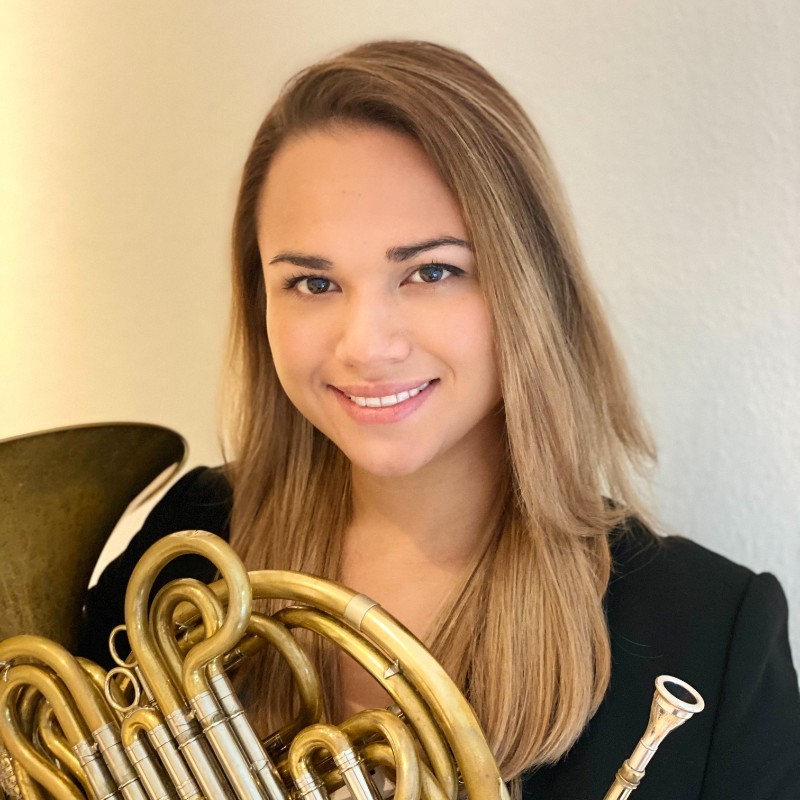
Der Hornistin Kartini Suharto-Martin, gebürtig aus Sidney, Australien, hat Damian Maria Rabe ein Konzert geschrieben für Horn, Baßklarinette, Cello und Klavier. Erscheint in Kürze auf dieser Seite (Okt 2022)

Oboen-Konzert „Sakura“ Variationen über ein japanisches Lied

eingespielt von Natsuki Ogihara (Bild) Oboe, Alexey Lockmachev, Fagott und Ruben Jeyasundaram, Cello.

—————————————————

Oboen-Konzert „Sakura – Variationen über ein japanisches Lied“

Part 1 Intro
Part 2 Sakura
Part 3 Eile
Part 4 Torkelnd
Part 5 Abstrakt
Part 6 Freuden
Part 7 Ruhig
Part 8 Neugierig
Part 9 Kanon
Part 10 Meditation
Part 11 Tanz
Part 12 Coda

Gemischter Chor-SATB

Für kompletten Chor SATB

„Franz Werfel“-Vertonungen von drei Gedichten

1 „Abendgestade“ aus dem Gedichtband „Gerichtstag“ das Gedicht „Müdigkeit“
2 „Der Dirigent“ aus dem gleichnamigen Sonett von 1938
3 „Furchtbares Blau“ aus dem Gedichtband „Einander“ das Gedicht „Der Held“

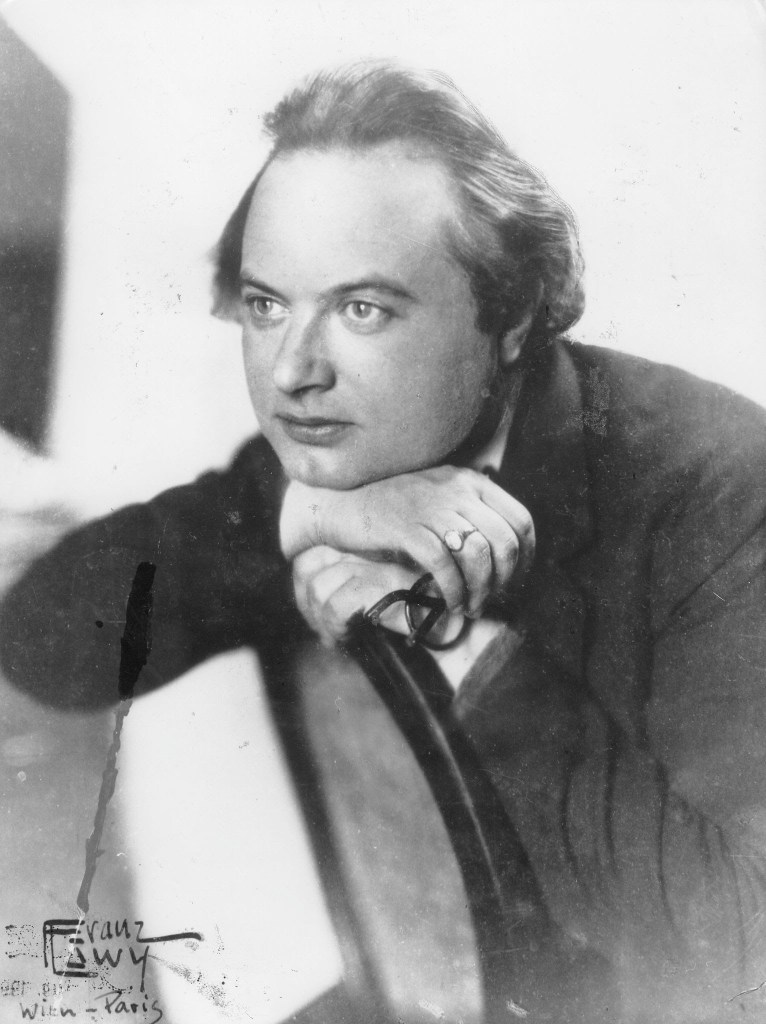
Franz Werfel (born Sept. 10, 1890, Prague [now in Czech Republic]—died Aug. 26, 1945, Hollywood, Calif., U.S.) German-language writer who attained prominence as an Expressionist poet, playwright, and novelist and whose works espoused human brotherhood, heroism, and religious faith.